
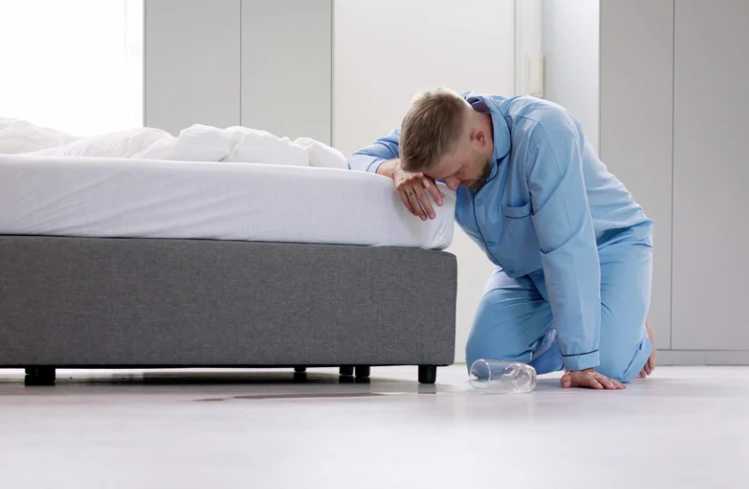
Stress is often dismissed as a minor inconvenience, but its effects on men’s health can be profound. Beyond temporary tension, chronic stress can disrupt vital systems in the body, contributing to both physical and mental health challenges. Understanding these impacts and learning to manage stress is essential for long-term well-being.
Stress triggers the release of cortisol, the body’s primary stress hormone, which prepares you for “fight or flight.” While this response is useful in short bursts, prolonged stress can lead to harmful effects:
Mental health issues are often overlooked in men due to societal pressures to “tough it out.” However, stress plays a significant role in:
Men in high-pressure professions, such as law enforcement, finance, or healthcare, report higher stress levels. According to the American Psychological Association, nearly 49% of men say stress has negatively affected their personal and professional lives. Additionally, men aged 40–60 are particularly vulnerable to stress-related conditions like heart disease and diabetes, often linked to career and financial pressures during these years.
Managing stress involves a combination of lifestyle changes, mindfulness, and professional support. Here are practical steps to take:
Stress-related conditions often progress silently, making early action crucial. For example, the link between stress and heart disease might not become apparent until a major cardiac event. Likewise, stress-induced low testosterone levels can lead to long-term issues such as osteoporosis or infertility if not addressed promptly.
Recognizing the signs of chronic stress—such as persistent fatigue, irritability, or unexplained physical symptoms—and taking proactive measures can prevent serious health complications down the line.
Stress isn’t just a mental burden; it’s a whole-body issue that profoundly affects men’s health. By understanding its hidden impacts and adopting stress-management strategies, you can safeguard your physical and emotional well-being. Don’t ignore the signs—take steps to reduce stress and prioritize your health today.

Dr. Lucas Bennett is a young doctor passionate about preventive health care. With a focus on dental health and men’s wellness, he simplifies complex medical concepts to empower people with practical advice. Outside of work, he loves trail running, cycling, and exploring new fitness trends and supplements.
Some of the products featured on this website are associated with companies from which we may receive compensation. Purchases made through the links provided can result in payment to the website. Additionally, the company operating this website may have an interest in certain products displayed, which could influence their placement and presentation. Not all products in a given category are reviewed or included on this website.