
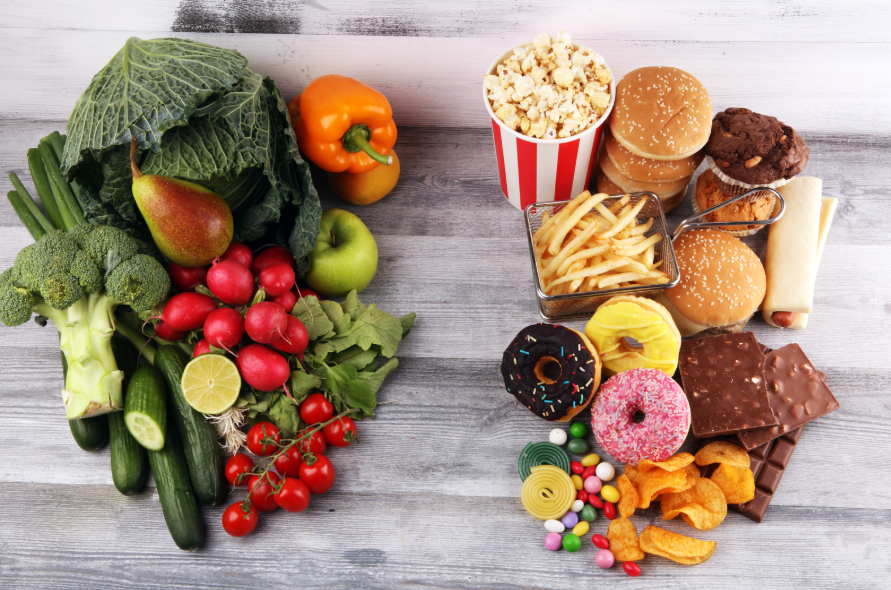
Balancing blood sugar is essential for maintaining energy, focus, and overall health. Whether you’re managing diabetes, prediabetes, or simply looking to avoid those dreaded energy crashes, understanding how food impacts your blood sugar is a game-changer.
In this article, we’ll break down the best and worst foods for blood sugar control, along with actionable tips to incorporate them into your daily life.
These foods help stabilize blood sugar levels, reduce insulin resistance, and keep you feeling energized throughout the day:
Spinach, kale, and broccoli are rich in fiber, vitamins, and minerals but low in carbohydrates. Fiber slows down the digestion of carbs, preventing blood sugar spikes.
Pro Tip: Add a handful of spinach to your morning smoothie or serve steamed broccoli as a side dish at dinner.
Oats, quinoa, and brown rice are examples of complex carbohydrates that provide sustained energy. They have a lower glycemic index (GI), meaning they release glucose into the bloodstream more slowly.
Pro Tip: Swap white bread for whole-grain alternatives or use quinoa in salads for added texture and nutrition.
Salmon, mackerel, and sardines are packed with omega-3 fatty acids, which can reduce inflammation and improve insulin sensitivity.
Pro Tip: Aim for two servings of fatty fish weekly, or try canned salmon for an easy, budget-friendly option.
Almonds, chia seeds, and flaxseeds are excellent sources of healthy fats, protein, and fiber. They help curb cravings and maintain stable blood sugar levels.
Pro Tip: Sprinkle chia seeds on yogurt or enjoy a handful of almonds as an afternoon snack.
Bell peppers, zucchini, and cucumbers are low in carbs and high in water content, making them perfect for blood sugar regulation.
Pro Tip: Use sliced cucumbers instead of crackers for dipping or toss roasted zucchini into your favorite pasta dishes.
These foods can cause rapid blood sugar spikes, leading to crashes that leave you feeling fatigued and hungry.
Sodas, energy drinks, and even fruit juices are packed with added sugars that are quickly absorbed into the bloodstream.
Better Choice: Opt for water, unsweetened tea, or sparkling water with a splash of lemon.
White bread, pasta, and pastries are stripped of fiber, causing rapid glucose spikes.
Better Choice: Replace refined carbs with whole-grain options to keep your blood sugar in check.
Chips, crackers, and packaged cookies often contain hidden sugars and refined flours.
Better Choice: Choose whole-food snacks like baby carrots, hummus, or a boiled egg.
Many cereals marketed as “healthy” are loaded with sugar and low in fiber, leading to blood sugar rollercoasters.
Better Choice: Start your day with steel-cut oats or Greek yogurt topped with fresh berries.
Cakes, donuts, and pies may be tempting, but their high sugar content and refined ingredients wreak havoc on blood sugar.
Better Choice: Satisfy your sweet tooth with dark chocolate or fresh fruit.
Managing blood sugar doesn’t have to be restrictive or complicated. By focusing on whole, nutrient-dense foods and minimizing processed options, you can support your body in maintaining steady energy and reducing long-term health risks. Small, consistent changes to your diet can yield significant results—one meal at a time.
If you’re navigating specific health challenges, consult a registered dietitian or healthcare provider for personalized guidance.

Sarah Mitchell is a health writer with a focus on supplements and wellness. She enjoys sharing practical, science-backed advice to help others lead healthier lives. In her free time, Sarah loves hiking, trying new smoothie recipes, and gardening.
American Diabetes Association. (2023). Healthy Eating Tips for Diabetes. Diabetes Care. Retrieved from https://www.diabetes.org/healthy-living/recipes-nutrition
Harvard T.H. Chan School of Public Health. (2023). The Nutrition Source – Carbohydrates. Harvard T.H. Chan School of Public Health. Retrieved from https://www.hsph.harvard.edu/nutritionsource/carbohydrates/
Mayo Clinic. (2023). Diabetes Diet: Create Your Healthy-Eating Plan. Mayo Clinic Proceedings. Retrieved from https://www.mayoclinic.org/healthy-lifestyle/nutrition-and-healthy-eating/in-depth/diabetes-diet/art-20044295
National Institute of Diabetes and Digestive and Kidney Diseases. (2022). Managing Blood Sugar Levels. U.S. Department of Health & Human Services. Retrieved from https://www.niddk.nih.gov/health-information/diabetes/overview/diet-eating-physical-activity
Vinik, A. I., et al. (2017). Diabetic Neuropathy and Its Complications. Current Diabetes Reports, 17(9), 36.
Some of the products featured on this website are associated with companies from which we may receive compensation. Purchases made through the links provided can result in payment to the website. Additionally, the company operating this website may have an interest in certain products displayed, which could influence their placement and presentation. Not all products in a given category are reviewed or included on this website.