
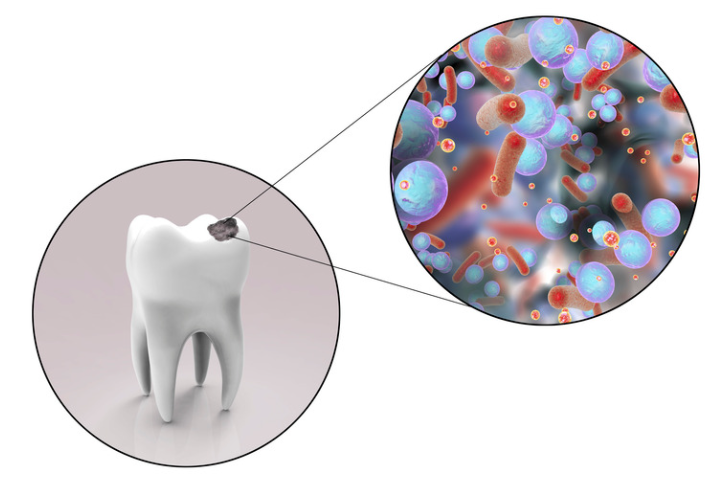
Sugar is widely known to contribute to various health issues, including obesity, diabetes, and heart disease, but its impact on dental health is often underestimated. Consuming sugar in excess can significantly damage your teeth and gums, leading to cavities, tooth decay, and gum disease. This article delves into how sugar harms your oral health, the science behind it, and practical tips for minimizing the damage caused by your sweet tooth.
When you consume sugar, it interacts with the bacteria in your mouth, leading to the production of acid. This acid can erode the enamel, which is the hard outer layer of your teeth, making them more susceptible to decay. The process works like this:
The American Dental Association (ADA) estimates that cavities affect nearly 91% of adults in the U.S., with sugar consumption being one of the primary contributors. Foods like candies, sugary drinks, and baked goods are common sources of sugar, and when they are consumed frequently, the damage can accumulate over time.
In addition to causing cavities, sugar can also affect the health of your gums. Gingivitis, the early stage of gum disease, occurs when the gums become inflamed due to plaque buildup. Plaque is a sticky film of bacteria that forms on your teeth after eating sugary foods. If not removed by regular brushing, plaque hardens into tartar, which can cause further inflammation and infection in the gums.
Chronic gum disease can lead to periodontitis, a severe infection that damages the bones supporting your teeth, potentially leading to tooth loss. According to the Centers for Disease Control and Prevention (CDC), 47.2% of adults over the age of 30 in the U.S. have some form of gum disease, often exacerbated by poor diet, including high sugar intake.
Saliva plays a crucial role in protecting your teeth and gums. It helps neutralize acids produced by bacteria and washes away food particles, reducing the risk of cavities. However, when you eat sugary foods, your mouth becomes more acidic, and the production of saliva may temporarily decrease, making it harder for your mouth to naturally fight off harmful bacteria. Over time, this lack of saliva can contribute to dry mouth, which further promotes the growth of cavity-causing bacteria.
Additionally, sugar can lower the pH of your mouth, making it more acidic. This can contribute to enamel erosion, which leads to sensitivity, discoloration, and increased risk of cavities.
The global impact of sugar on oral health is significant. According to the World Health Organization (WHO), dental diseases, including cavities and gum disease, are among the most common non-communicable diseases worldwide, affecting over 3.5 billion people. Despite being preventable, these conditions are often exacerbated by dietary habits, particularly the consumption of sugary foods and drinks. In the U.S., the National Institute of Dental and Craniofacial Research (NIDCR) reports that cavities are one of the most prevalent chronic diseases in children, with approximately 42% of children aged 2 to 11 having at least one cavity in their primary teeth.
The prevalence of sugar-sweetened beverages, such as sodas and energy drinks, has contributed significantly to the rise in dental health issues. Studies have shown that children who consume sugary drinks daily are at a much higher risk of developing cavities compared to those who avoid them.
While it’s difficult to eliminate sugar entirely from your diet, there are several strategies you can adopt to reduce its impact on your dental health:
Limit Sugary Foods and Drinks: Aim to reduce your intake of sugary snacks, sodas, and processed foods. If you do indulge, try to consume sugar with meals to minimize its effects on your teeth.
Brush and Floss Regularly: Brush your teeth at least twice a day with fluoride toothpaste, and floss daily to remove food particles and plaque buildup, especially after consuming sugary foods.
Drink Water: Drinking water throughout the day helps wash away food particles and neutralize acids in the mouth. Water is especially important after consuming sugary drinks and snacks.
Chew Sugar-Free Gum: Chewing sugar-free gum can help stimulate saliva production, which helps neutralize acids and wash away food particles from the mouth.
Consume Sugar Alternatives: Consider substituting sugary snacks with healthier options like fruits or nuts. These provide essential nutrients without the sugar-related risks.
Visit the Dentist Regularly: Regular dental checkups and cleanings are vital for detecting and preventing cavities and gum disease. Your dentist can also provide professional advice on maintaining optimal oral hygiene.
The long-term consequences of excessive sugar consumption can be severe for both your teeth and your overall health. Over time, frequent sugar intake can lead to persistent cavities, chronic gum disease, and tooth loss. Additionally, the ongoing acid attacks on your teeth can lead to irreversible enamel erosion, which increases sensitivity and reduces the aesthetic appearance of your teeth.
Beyond dental issues, excessive sugar consumption is also linked to other health problems, such as obesity, type 2 diabetes, and cardiovascular disease. Protecting your dental health by reducing sugar intake can improve your overall health and quality of life.
While sugar is undeniably delicious, it’s essential to be mindful of its impact on your oral health. Consuming too much sugar can lead to cavities, gum disease, and other serious dental issues. By adopting healthier eating habits and maintaining proper oral hygiene, you can protect your teeth and gums from the damaging effects of sugar. Remember, your oral health is a reflection of your overall wellness—take care of your teeth, and they will take care of you.

Dr. Lucas Bennett is a young doctor passionate about preventive health care. With a focus on dental health and men’s wellness, he simplifies complex medical concepts to empower people with practical advice. Outside of work, he loves trail running, cycling, and exploring new fitness trends and supplements.
Some of the products featured on this website are associated with companies from which we may receive compensation. Purchases made through the links provided can result in payment to the website. Additionally, the company operating this website may have an interest in certain products displayed, which could influence their placement and presentation. Not all products in a given category are reviewed or included on this website.